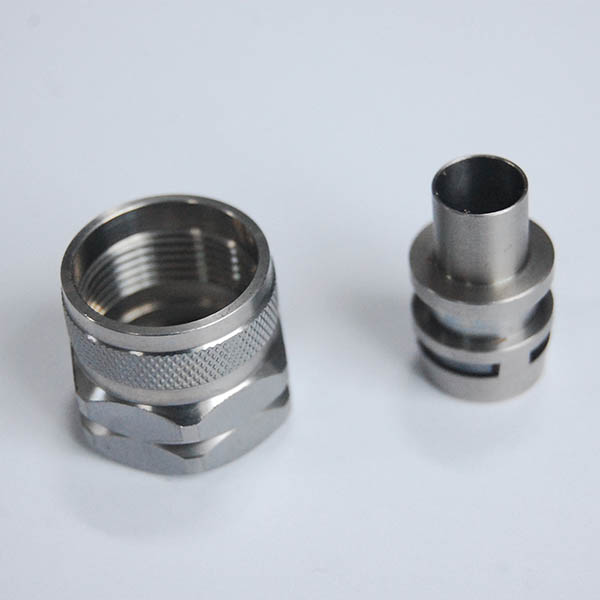
**Innovations in Pipe Flange Connections Strengthen Industrial Infrastructure**In recent developments within the industrial sector, advancements in pipe flange connection technology have significantly enhanced the efficiency and safety of fluid transport systems across various industries. As the backbone of countless pipelines worldwide, pipe flange connections play a critical role in maintaining the integrity and functionality of fluid transmission networks, ranging from oil and gas to water treatment facilities.**Understanding Pipe Flange Connections**Pipe flange connections serve as essential mechanical joints that connect pipes, valves, pumps, and other equipment to form a cohesive piping system. Their primary function is to provide easy assembly and disassembly of piping components for maintenance, inspection, or modification purposes without compromising system integrity.Typically, these connections consist of flanges – flat rims or collars – bolted together with a gasket placed between them to ensure a leak-proof seal. Depending on the application, flange types may include weld neck, slip-on, socket weld, lap joint, threaded, or blind flanges, each catering to specific pressure, temperature, and environmental conditions.**Recent Technological Advances**The latest news highlights breakthroughs in materials engineering and design optimization that have culminated in pipe flange connections with enhanced corrosion resistance, greater pressure handling capacity, and improved ease of installation. These innovations have been driven by industry demands for longer-lasting components that reduce downtime and the environmental impact of leaks or failures.One of the notable advancements involves the integration of high-grade alloys and composite materials that withstand aggressive chemicals and extreme temperatures, expanding the application range of flange connections especially in petrochemical and marine environments. Additionally, precision machining and advanced coatings have improved flange surface finishes, which in turn enhance gasket sealing performance and reduce maintenance frequency.Beyond materials, design improvements such as standardized bolt patterns and reduced flange thickness without compromising strength have contributed to lighter assemblies and faster installation times. This is particularly beneficial in remote or hazardous locations where labor efficiency and safety are paramount.**Company Commitment to Quality and Innovation**At the forefront of these advancements is a company dedicated to delivering high-quality pipe flange connections tailored to meet diverse industrial requirements. With years of expertise in manufacturing and supplying piping components, the company prides itself on stringent quality control and adherence to international standards such as ANSI, ASME, DIN, and JIS.Its comprehensive product lineup includes various flange types, gaskets, bolts, and related accessories designed for seamless integration into existing piping systems. The company employs state-of-the-art production equipment and continuous research and development efforts to maintain product excellence and meet evolving market demands.Clients benefit not only from the durability and reliability of these flange connections but also from customized solutions crafted to address specific operating conditions. The company's engineering team collaborates closely with customers to provide technical support, ensuring that each connection performs optimally under intended use scenarios.**Industry Impact and Future Outlook**The improvements in pipe flange connections have far-reaching implications across sectors including oil and gas exploration, chemical processing, power generation, wastewater management, and food and beverage production. Enhanced flange reliability directly translates into safer operations, reduced environmental risks, and lower total cost of ownership for facility operators.Looking ahead, ongoing trends point to the adoption of smart technologies integrated with flange systems, such as sensor-embedded flanges for real-time monitoring of pressure, temperature, and potential leakages. This digital evolution will further empower maintenance teams with predictive analytics to proactively address issues before they escalate.Moreover, sustainability considerations are increasingly influencing material selection and manufacturing processes. Environmentally friendly coatings and recyclable materials are anticipated to gain prominence as companies align with global efforts to reduce industrial carbon footprints.**Conclusion**The dynamic field of pipe flange connections continues to evolve, driven by engineering ingenuity and a commitment to meeting rigorous industrial standards. These advancements not only reinforce the structural soundness of piping systems but also contribute substantially to operational efficiency, safety, and environmental stewardship.For industries reliant on fluid transport infrastructure, embracing these innovative pipe flange solutions is essential to achieving resilient and future-proof facilities. With continued collaboration between manufacturers and end-users, the future promises more robust, intelligent, and sustainable piping connections that underpin critical industrial operations worldwide.
Read More